Blog
Educate & Motivate
Learnings, teachings and tips & tricks to educate and inform on the topics of skin health and chronic pain.
Gut Brain Axis
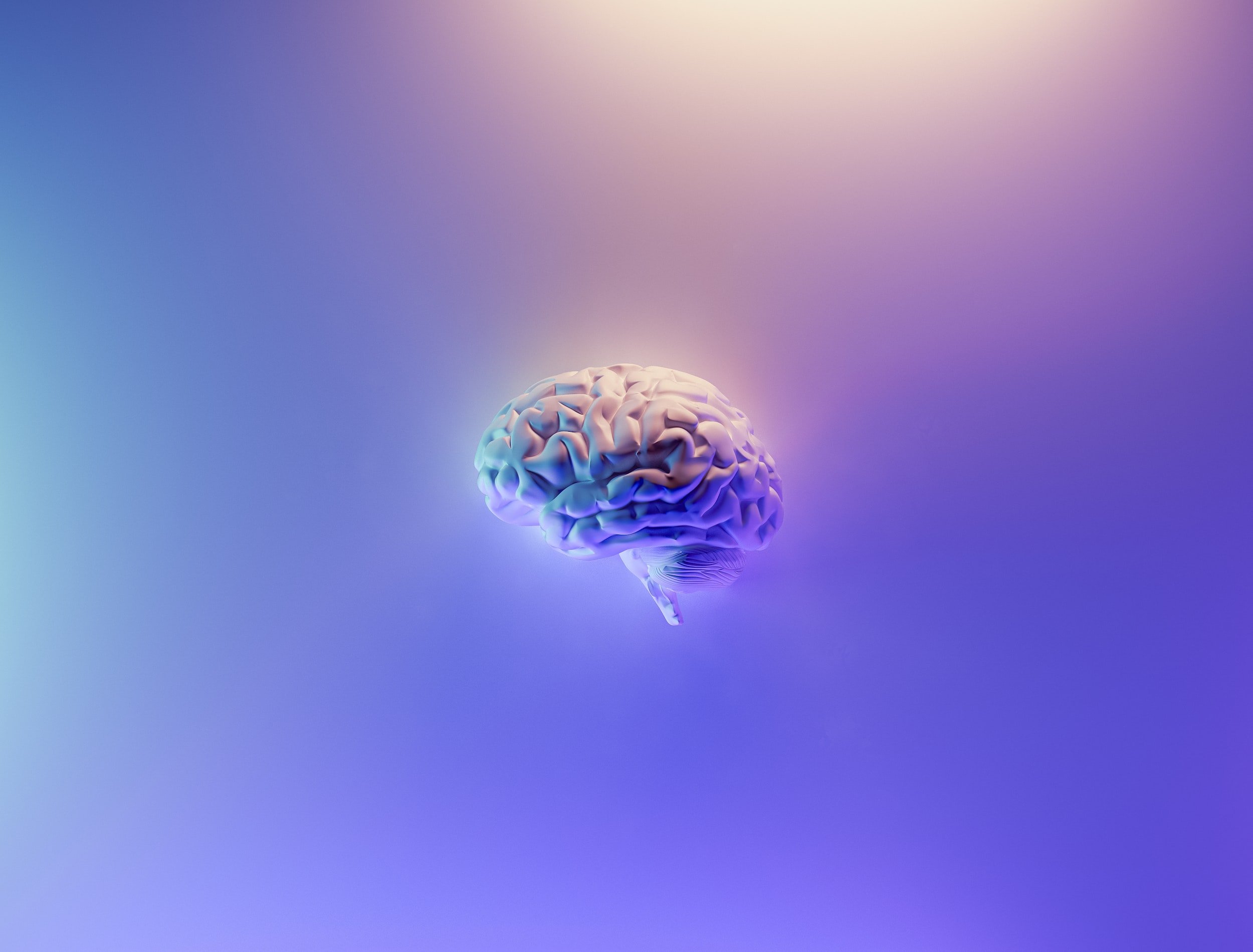
Gut-to-Brain or Brain-to-Gut axis – terms I hear frequently when supervising student clinic and indeed I use in discussion with my own clients. While there is a common understanding that the brain-gut pathways are bi-directional, recent research indicates it might be important to clarify the impact of this bidirectional pathway. Does the brain have a stronger influence on the gut and creating, for example IBS-like symptoms or is the gut driving our brain, leading to anxiety, depression and mood changes? Importantly, whatever the case, does this impact on how we manage treatment?

Memory enhancing EVOO
I am regularly regaled with the benefits of Coconut oil (predominantly a saturated fat) but personally I am not a fan. By all means moisturise with it, use it as a mouth cleanser, rub it through hair etc, but don’t eat too much of it. The purported health benefits just don’t stack up in the research. On the other hand Olive oil (a mono-unsaturated fat) has a bucket of research showing positive health benefits including this recent report indicating that extra-virgin olive oil (EVOO) protects memory and learning ability and further, decreases the risk of brain changes commonly associated with Alzheimer's.

More benefits of Vitamin D
In other memory related news (see previous post), a 2017 randomised trial in healthy adults showed that high levels of vitamin D improved visual and non-verbal memory, resulting in higher-level cognitive function. This trial was conducted in healthy adults so the mechanism isn’t necessarily about correcting disordered function related to a disease state. However, the impact of higher doses (4000iu daily) was greater in those with lower baseline levels of vitamin D (75 nmol/L). Interestingly most Australian pathology labs indicate that a vitamin D level between 50-100 nmol/L is sufficient. On this basis a proportion of adults that have ‘normal’ levels of vitamin D may benefit from increasing their level to the high-normal range.

Stress gets under the skin
Skin is one of the key defence systems of the body with the outermost layer providing a natural barrier to water loss and potential toxins or microbes. It is exposed to numerous daily stressors such as infections, toxic agents (artificial fragrances), allergens, UV light and mechanical damage and is usually well equipped to respond and protect from these environmental factors. However, in those with skin conditions such as psoriasis, chronic itching, eczema and rosacea, both environmental and psychological stress can be a trigger for acute flare-ups as well as sustaining chronic issues.

Black Seed Oil – the skin wunderkind
Corticosteroids are a cornerstone of topical treatment in most inflammatory skin conditions. However, this treatment comes with the potential for significant risk including thinning of the skin, development of spider veins and suppression of normal stress responses via the hypothalamic-pituitary-adrenal axis. So recently when a client of mine (thank you!) sent through a study outlining the use of Nigella sativa seed oil (Black seed oil) on psoriasis-like lesions I was thrilled. I then went searching for other reports of its use for similar conditions and came up with lots of research with great potential.

Holistic Pain Management - Part 1
Holistic Pain Management - Part 1
In this podcast I discuss the origins and assessment of chronic pain with Andrew Whitfield-Cook. It was important for me to get across that chronic pain persists for reasons beyond peripheral input. While that may be part of the issue, or even the origin, the reason chronic pain persists is about a myriad of factors including central nervous system input, neuro-inflammation, attention, beliefs, emotions, lack of human connection to name a few. This podcast discusses some of these factors.
Read on for the transcript, Part 1.
Covered in this episode:
What is the societal burden of pain, Contributors to pain mismanagement, How should pain be assessed, What actually is pain, Theories of pain, Factors influencing pain perception, Why medical care misses the mark, Holistic approaches to care.

Holistic Pain Management Podcast 2
Part 2, Holistic Pain Management. This podcast is a follow up to Holistic Pain Management Part 1 and in it Andrew Whitfield-Cook and I discuss some of the treatment strategies that are employed as part of a holistic approach to chronic pain.
From FxMedicine: "Chronic Pain affects around 15-20% of the population, with huge monetary and psychosocial burdens on the patient and the community around them.
Covered in this episode:
A multi-modality approach to pain, The costs of pain management, Evidence for herbal medicine for pain, Evidence and mechanisms for curcumin, TLR4 and gut health links, Anxiolytics: modifying pain perceptions, The mechanisms of magnesium, Quelling immune involvements in pain, Neuroplasticity, Exercise and pain management, Role of "mini brains", Mitigating opioid dependence using herbs, Drug therapies: opportunities or issues, Resources for further education

Stress impacts our gut bugs
Stress impacts our gut bugs
A new study from Nature Scientific Reports indicates that stress may be as unhealthy to our gut microbiota as a bad diet. The study was carried out on animals but may have implications for humans. The researchers set out to evaluate the factors that impact on the gut microbiota and found that female mice exposed to stress showed significant changes to their microbiota: the changes in the composition of gut bugs looked like they had been eating a high fat diet.
While we often think that stress has a mostly psychological effect, this study highlights the physical impacts.

You are what you eat in chronic pain
You are what you eat in chronic pain
Over the last decade we have seen a flood of evidence linking a poor diet with chronic health conditions. But what about chronic pain? Until recently the role of diet in relation to chronic pain in most areas has been marginalised particularly when it comes to treatment strategy. However, we are now seeing some directly links between diet and pain and the importance of diet is emerging. The research highlights below are from a recent neuroscience conference in the USA…

Throwing the baby spinach out with the bath water
Throwing the baby spinach out with the bath water
Recently I went into a well known supermarket looking for some leafy greens to go with the dinner I was cooking. I scanned the shelves and all I could see was packets of baby spinach, rocket or mixed greens, neither on their own, both mixed with baby spinach. I felt like I was in a monoculture world of greens and wanted to run screaming from the veggie aisle (not really, it was more of a sigh and start to think of alternative dinner plans). Dramatics aside, I did on the spot decide to boycott baby spinach for life...well for a little while anyway. I probably need to admit at this point that I am not a fan of baby spinach, I think it is overrated, over consumed and I would love to see more alternatives. While this opinion goes against the advice found in the popular media, which is 'eat spinach, its a super green', it isn't isn't an uninformed opinion so I have outlined my reasons for boycotting baby spinach below…

Relief with opioid discontinuation
Relief with opioid discontinuation
Managing persistent or chronic pain is complex. Frequently there is a lack of objective reason for persistent pain yet it is real, personal and subjective and people with persistent pain are of then desperately seeking effective pain relief. I recently attended an “Explain Pain” course in Cairns (which was lovely and warm), which looks at ways to reconceptualise pain from a modern neuroscience perspective. How does this help? Well knowledge is power. There is a growing body of research showing that we can target our natural analgesic systems with simple but effective education about pain. This is particularly pertinent given the numbers of people suffering with persistent pain and the failure of common pain medications to effectively manage pain.

A high fat diet worsens post-operative pain and inflammation
A high fat diet worsens post-operative pain and inflammation:
Obesity commonly correlates with increased pain. One of the mechanisms for this is relatively straightforward; having central adiposity (fat around the stomach region) or being obese is associated with low-grade chronic inflammation, and this, in turn, is associated with a greater incidence and severity of chronic pain conditions. In the recent study authors (Song. et al, 2018) wanted to study the effects of diet and obesity on postoperative pain. There were 2.7 million surgeries performed in 2016 according to the Australian Institute of Health and Welfare. Each surgery is associated with some degree of acute pain, and the severity and duration of acute pain experienced is a risk factor for the development of chronic pain. So any modifiable factor that increases pain intensity or duration post surgery is worthy of note, as it may help to reduce progression to chronic pain.

Acne is more than skin deep
Acne is more than skin deep
The burden of acne is more than skin deep. Strongly impacting on negative self-image and perceived stress, acne not only causes stress but is also made worse by stress. It is now well established that stress contributes to the development of acne but until this year there have been no studies looking at stress management as a direct treatment intervention. A report published this year in the International Journal of Dermatology details the methods and results of an 8-week experimental study in 30 women with acne undergoing a specific stress reduction process called the Pythagorean Self-Awareness Intervention (Chatzikonstantinou, et al. 2018)

The gut-skin axis
The gut-skin axis
The health of the gut microbiome and its impact on wider health has seen an explosion of research, and with the advent of DNA sequencing our understanding of the microbiome and its effects on health is growing. We now understand that the influence of the gut microbiome extends beyond the gut, impacting on distant organs and systems either positively or negatively depending on the composition of microbiota. These wider effects are known to influence skin health, and this article will review the specific influence on acne.

Mind over matter
Mind over matter
This month I have been delving into New Scientist again and one article in particular really sparked my interest. Called “Mind Over Matter”, the author David Robson outlines and supports the assertion that changing your attitude can have profound benefits on your health (Robson, 2018). In this day and age of metaphysical thinking this may not seem like a mind-blowing-ly new concept, however I often find the mind over matter approach being thrown about without a lot of research to back it up. So when the article outlined studies to support this concept I suddenly got a bit more interested.

The vitamin D and acne connection
The vitamin D and acne connection
Vitamin D deficiency is known to play a role in many inflammatory skin conditions, and certainly is seen to be a contributing factor in acne. Acne is an inflammatory skin condition with both systemic inflammation and local inflammation within the skin, even at the very early micro-comedone stage of development. The causes of local inflammation can be directly linked to the influence of systemic drivers however; local factors play a significant role as well. This article looks at the role of vitamin D as a potential regulator of local immune and inflammation processes that drive acne.

Turmeric, a super spice for pain
Turmeric, a super spice for pain
If you do a quick search about Turmeric on the Internet you may begin to wonder what it can’t do. The list of benefits reported is extensive and the diseases it is purported to treat are numerous. This super-spice is popping up in all sorts of interesting ways from Turmeric lattes to fermented drinks. It also has a growing body of research to back up some of the widely quoted benefits. However, it is important to note that there is a difference between food ingestion and a standardised supplement and in this article, I specifically look at standardised curcumin, one of the key active components of turmeric, and the role it has to play in pain management.

Dietary relief for arthritis & musculoskeletal pain
There’s a ton of ideas floating around social media about the best diet for chronic health issues. Some have research to back them up, many don’t. So, when I read this recent paper reviewing the studies that found positive effects of dietary changes on pain intensity in musculoskeletal pain (MSK) I was one happy practitioner!

Podcast - how pain influences the brain
Podcast - how pain influences the brain
In this podcast with Daniel Roytas I talk about pain management from a holistic perspective and consider the importance of a biopsychosocial approach to pain. We also talk about how the brain plays a major role in pain perception.

Bad, Mad, Sad
Bad, Mad, Sad
Are you feeling bad, mad, or sad?
𝗬𝗼𝘂𝗿 𝗳𝗲𝗲𝗹𝗶𝗻𝗴𝘀 𝗺𝗮𝘁𝘁𝗲𝗿, and just as important is knowing what you are feeling and being able to articulate them.
Not knowing is called alexithymia, which means an inability to describe our own emotions. It can also be associated with difficulty with identifying different types of emotions.
Critically not understanding or being able to describe our own emotions has far-reaching effects. With the appropriate language we can understand and share what we are experiencing. Labelling an emotional experience results in ‘greater emotional regulation and psychological wellbeing’. Without this capacity we may not even know how to make sense of an experience for ourselves. If we can’t understand and share our experience, then how can we ask for help, or get what we need?
Start your journey to feeling better
Book a discovery call or your appointment through Vibe Clinic’s convenient online booking system.